

Essential Advocacy Points for the 2026 Midterms
As the November 3 midterm elections approach, D.C. faces a consequential period for housing and community development. With a shrinking congressional calendar, unfinished funding bills, and the possibility of changes in congressional leadership, decisions made in the coming months will shape federal housing priorities in FY 2027 and beyond.
Continuing Resolution Keeps Housing Funding Discussion Going Past Midterm Elections
Although Congress has yet to finalize the FY 2027 Appropriations process, a Continuing Resolution has extended current funding through December 11, 2026. The House Appropriations Committee advanced its Transportation, Housing and Urban Development (THUD) funding bill, which includes proposed reductions to critical housing and community development programs. The Senate THUD bill is pending release, although NAHRO has heard the bill is close to being finalized. Often, the House bill serves as a “floor”, and the Senate bill serves as a “ceiling” in funding negotiations.
The December 11 deadline creates another important decision point for Congress during an already compressed legislative calendar. For PHAs and development agencies navigating rising operating costs, rental assistance funding pressures, and growing demand, federal funding uncertainty has real consequences.
21st Century ROAD to Housing Implementation Must Include Housers
The 21st Century ROAD to Housing Act passed into law, advancing reforms intended to increase housing supply, strengthen existing federal programs, and reduce barriers to development. The legislation includes:
- Reforms to the HOME Program;
- Expanded opportunities for housing development through CDBG;
- Provisions designed to streamline housing production; and
- Expanded Moving to Work cohort with expanded reporting requirements.
However, passing legislation is only the beginning. Effective implementation requires continued engagement with HUD, Congress, and housing practitioners.
Midterm Results Could Reshape Housing Policy in D.C.

The midterms could significantly change the congressional landscape. More specifically for housers, the committees responsible for housing policy, federal spending, and tax incentives could also be impacted by the 2026 results. Over 70 members of Congress will not seek reelection to the 120th Congress. Several competitive House races involve lawmakers serving on key committees central to housing, taxation, and community development decisions.
Retiring Members on Key Housing Committees
- Sen. Thom Tillis (R-SC) Senate-Banking
- Sen. Tina Smith (D-MN) Senate-Banking
- Sen. Dick Durbin (D-IL) Senate-THUD
Races to Watch
- Rep. Juan Ciscomani (R-AZ) House-THUD
- Rep. Mike Lawler (R-NY) House Financial Services
- Rep. Maria Salazar (R-FL) House Financial Services
- Rep. Zach Nunn (R-IA) House Financial Services
- Sen. Susan Collins (R-ME) Senate-THUD
Changes in committee membership and leadership could influence federal spending negotiations, affordable housing legislation, housing tax policy, and congressional oversight. No matter how election night goes, NAHRO’s commitment to bipartisan advocacy at all levels of government remains unchanged.

Crucial Advocacy Window for Housers

Election Day is not the finish line for housing advocacy. As Congress prepares for year-end negotiations and the start of the next (120th) Congress, NAHRO members have key opportunities to engage with housing decision-makers.
- Share local success stories demonstrating how federal housing investments support residents and strengthen communities.
- Communicate the consequences of inadequate funding and invite congressional offices to see your programs firsthand via site visits and meetings with their in-district staffers.
- Provide your expertise as a provider of affordable housing and responsible stewards of taxpayer dollars and HUD programs locally.
- Begin building relationships with newly elected lawmakers and their staff. Early engagement provides opportunities to educate congressional offices before legislative priorities and committee agendas take shape.
- Submit Advocacy Engagement Reports and photos to NAHRO to log your advocacy to government officials of all levels (Congress, City Council, County Govt., Local, State). This helps us track where housers are advocating, highlight your work, and shape our national advocacy approach.
Our collective responsibility is to ensure that housing and community development remain priorities in every Congress.
NAHRO Votes: Non-Partisan Voter Education Resources for Housers
NAHRO Votes is a non-partisan tool to quickly verify voter registration, polling locations, and view a sample ballot for users based on their name and address. An embed code is available below, which can be embedded on a PHA’s existing website. Alternatively, you can have the website set up on a computer or tablet in a public area of your agency for public use.
NAHRO Votes Embed Code
<iframe src=”https://nahro.quorum.us/campaign/163870/?embedded=true/” style=”border-radius:4px;border:1px solid #961E1F; width:100%; min-height: 800px;”></iframe>

-
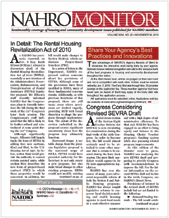 The NAHRO Monitor is a monthly, members-only e-newsletter exploring the latest in housing and community development news.